
Trenchless Sewer Repair in Hialeah & Miami Springs: Fix the Pipe Without Tearing Up Your Yard
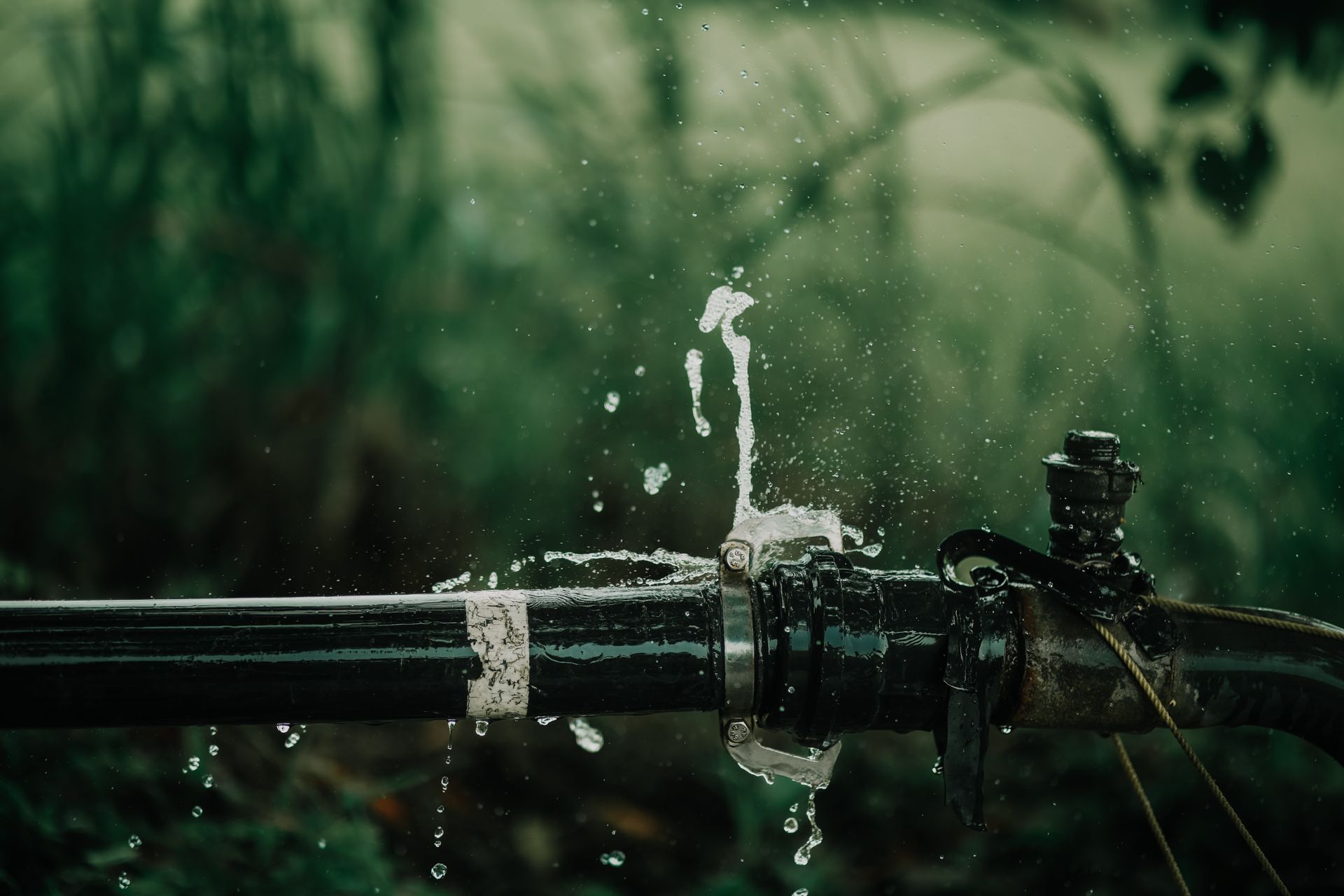
For decades, fixing a broken sewer line meant one thing: a backhoe in the yard. The lawn came up, the pavers came up, sometimes the driveway or a strip of the front porch came up too, and the family lived with a muddy trench for days. In Hialeah, Hialeah Gardens and Miami Springs, where many homes were built in the middle of the last century and the original sewer lines are still in the ground, that is a scenario a lot of homeowners are quietly dreading.
It does not have to go that way anymore. Trenchless sewer repair rebuilds or replaces the damaged pipe from the inside, working through one or two small access points instead of a long open trench. This guide explains how it works, which methods exist, when trenchless is the smart choice and when it is not, and what happens step by step when First Call Septic Services takes on the job.
- ✔ Trenchless repair fixes a sewer line through small access points, so lawns, driveways, pavers and mature landscaping usually stay in place.
- ✔ The two main methods are pipe lining (a new seamless pipe cured inside the old one) and pipe bursting (a new pipe pulled through as the old one is split apart).
- ✔ It is not right for every line: a fully collapsed pipe or a deep sag may still need a section excavated.
- ✔ Every job should start with a camera inspection, so the method is chosen from real video, not guesswork.
Why older sewer lines in Hialeah and Miami Springs fail
Many neighborhoods in this part of Miami-Dade grew quickly after the Second World War and through the following decades. The houses have aged well, but what runs underneath them has had a harder life. Depending on the year the home was built and any later renovations, the main line may be cast iron, clay tile, Orangeburg-style fiber pipe or early PVC, and each of those materials fails in its own way.

What trenchless sewer repair actually is
Trenchless sewer pipe repair is a family of techniques that renew a pipe without exposing its full length. Instead of digging a trench from the house to the street or the septic tank, the crew works from an existing cleanout or from one or two small, targeted openings. There are three approaches you are likely to hear about:
- Cured-in-place pipe lining (CIPP). A flexible liner saturated with resin is inserted into the old pipe, inflated against its walls and cured until it hardens. The result is a new, jointless pipe formed inside the old one.
- Pipe bursting. A cone-shaped bursting head is pulled through the old pipe, splitting it outward while a new pipe follows directly behind. It needs an entry pit and an exit pit, but nothing in between.
- Sectional or spot lining. When the damage is limited to one joint or a short stretch, a short liner can be installed only at that point, leaving the healthy pipe on either side untouched.
Trenchless vs. traditional excavation
Both approaches have their place. The comparison below shows how they usually differ for a typical residential line:
The real advantage of trenchless work shows up in the total project, not just the pipe. When the yard, the walkway and the driveway are not destroyed, there is nothing to rebuild afterward, and that restoration work is often what turns a sewer repair into a much larger bill.

When trenchless is not the right answer
An honest contractor will tell you that trenchless repair is excellent, but not universal. A liner takes the shape of the pipe it is installed in, so it cannot fix every defect:
- A collapsed or crushed section. If the pipe has caved in, there is no open channel to line. That section usually has to be excavated and replaced, although the rest of the line may still be lined.
- A deep belly or sag. Lining a sagging pipe gives you a new pipe with the same sag. If waste is pooling in a low spot, the slope has to be corrected first.
- Severe offsets. Joints that have shifted far out of alignment can stop a liner from seating properly.
How a trenchless job works, step by step
Signs your line may need repair
Trenchless repair is most useful when the problem is caught before the pipe collapses. Call for an inspection if you notice any of these:
- Clogs that come back a few weeks or months after the line was cleared.
- Several slow drains at once , especially on the lowest floor of the house.
- Gurgling toilets when the washing machine or the shower drains.
- A sewage smell in the yard or near a cleanout.
- Soggy or unusually green strips of lawn along the path of the sewer line.

Frequently asked questions
How long does trenchless sewer repair take?
It depends on the length of the line, its condition and the method. Many residential jobs are completed far faster than a full excavation would be, because there is much less digging and restoration. After the camera inspection, we give you a realistic timeline for your specific line.
Is trenchless repair more expensive than digging?
The repair itself is not always cheaper, but the total project often is, because you are not paying to tear out and rebuild pavers, concrete, landscaping or flooring. We quote both options when both are viable so you can compare honestly.
Can roots grow back through a liner?
A cured liner forms a continuous pipe without the joints that roots normally exploit. Any root mass inside the line is removed before installation, so the new pipe starts clean.
Does this work on septic systems too?
Yes. Trenchless methods can renew the line between the house and the septic tank, as long as the pipe meets the same conditions. If the tank or the drain field is the issue, our septic tank repair team handles that separately.
Do you serve areas outside Hialeah and Miami Springs?
Yes. We work across Miami-Dade and Broward, including Doral, West Miami, Coral Gables, Kendall and Miramar.
The bottom line
A damaged sewer line will not repair itself, but fixing it no longer has to mean destroying the yard you have spent years building. Start with a camera inspection, find out exactly what is wrong, and let the condition of the pipe decide the method. In many Hialeah and Miami Springs homes, that means a brand-new sewer line with the lawn, the pavers and the shade trees still exactly where they were.
You might also like
First Call Septic Tank Services Miami Blog